
Direct OEM/ODM enterprise product portfolio manufactured under ISO 9001:2015 and cleanroom precision coating standards.
An in-depth technical analysis of precision roll-to-sheet conversion, adhesive rheology, and global supplier evaluation metrics for enterprise procurement.
The global label sheet market has undergone a structural transformation. Driven by automated logistics, e-commerce packaging, pharmaceutical compliance tracing, and specialized consumer craft applications, the demand for high-precision, multi-substrate pressure-sensitive label (PSL) sheets has reached unprecedented volume. China stands as the epicenter of this manufacturing evolution, combining raw material vertical integration—from pet-chemical synthesis to siliconization—with state-of-the-art precision coating and rotary die-cutting technologies.
For international procurement directors, OEMs, and distributors, selecting top-tier China label sheet manufacturers requires moving beyond simple per-unit cost metrics. Superior suppliers distinguish themselves through rigorous control over coat-weight consistency (measured in grams per square meter, gsm), interfacial adhesion stability under extreme ambient swings, differential release force engineering, and strict mechanical lay-flat properties. Modern automated matrix-stripping and high-speed desktop/industrial printer feeding mandate tight caliper tolerances across the entire laminate structure: face stock, adhesive layer, silicone release agent, and backing liner paper.
Comparing face stocks, pressure-sensitive adhesive (PSA) platforms, and release liners across industrial applications.
| Substrate Layer | Material Options | Technical Characteristics | Primary B2B Application |
|---|---|---|---|
| Face Stock | Direct Thermal, Thermal Transfer Paper, Cast-Coated Gloss, PET Film, BOPP, Copper Foil | 70–140 GSM; surface tension >38 dynes/cm; UV-cured topcoat for smudge resistance. | Logistics & Retail Logistics barcodes, industrial nameplates, premium packaging. |
| Adhesive (PSA) | Emulsion Acrylic, Solvent Acrylic, Hot-Melt Rubber, Removable Silicone System | Initial Tack (FTM 9): 10–22 N/25mm; Service Temp: -40°C to +150°C; Shear Resistance >24 hrs. | Cold Chain & Tech Cold storage, electronics EMI shielding, clean-removable craft tape. |
| Release Liner | Supercalendered Glassine (60–80g), CCK (Clay Coated Kraft), Poly-Coated Kraft (PCK), PET Film (23–50u) | Silicone coat weight: 0.8–1.2 gsm; Release force (FTM 10): 5–25 cN/25mm; Lay-flat stability. | Automated Converting High-speed laser printing, matrix stripping, die-cut label sheets. |
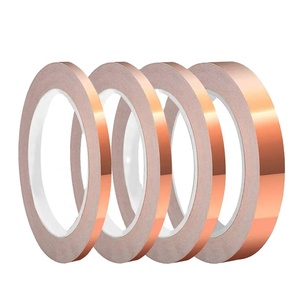
| Specialty Foils | Conductive Copper Foil, Hot-Stamp Foil, PET Metallic Laminates | Low-relief embossing capability; electrical conductivity <0.05 Ω/sq; high thermal endurance. | Industrial & Craft PCB thermal management, luxury planner stationery, foil washi rolls. |
Achieving zero-jam performance during high-speed desktop laser or thermal printing requires balancing the stress-strain relationship of the backing paper against the facial tension of the film or paper stock. Leading Chinese conversion factories utilize dual-side moisture conditioning chambers and solventless silicone coaters to ensure zero edge-curl under high thermal printer roller pressures (often exceeding 180°C in high-throughput fuser assemblies).
Core technological pillars that define Tier-1 Chinese label sheet factories.
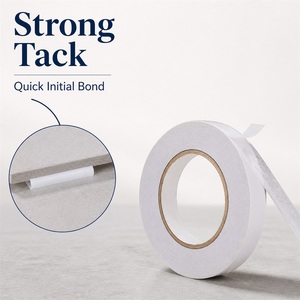
Class 10,000 dust-free coating lines eliminate particulate contamination on adhesive surfaces, guaranteeing optical clarity for PET release films and clear double-sided adhesive sheets.
Custom formulation of solvent, emulsion, and hot-melt adhesives ensures precise coat weights (12 to 45 gsm) with zero adhesive bleed during high-speed guillotine slitting and sheet cutting.
Every production batch undergoes FINAT test method protocols (FTM 1 for peel adhesion, FTM 9 for loop tack, FTM 18 for dynamic shear) with full REACH, RoHS, and FDA indirect food contact certifications.
Strategic shift toward sustainable materials, linerless technology, and smart supply chains.
The global enterprise label sheet market is experiencing a profound pivot driven by environmental regulations, automation demands, and smart inventory tracking. Procurement managers sourcing from China must align their supply chains with four decisive trends over the coming half-decade:
EU Packaging and Packaging Waste Regulation (PPWR) updates mandate higher recyclability targets. Tier-1 manufacturers are shifting from heavy PE-laminated release liners to bio-based siliconized Glassine and FSC-certified unbleached kraft liners, allowing 100% repulpability in standard paper recycling streams.
The convergence of traditional printed labels with printed electronics is accelerating. Smart label sheets embedded with ultra-thin RFID (UHF) inlays enable real-time warehouse inventory auditing and anti-counterfeiting tracking without sacrificing sheet-fed printer compatibility.
Food contact labels and pharmaceutical packaging require pressure-sensitive adhesives that eliminate VOC emissions and phthalate plasticizer migration. Emulsion acrylic systems derived from renewable plant-based monomers are replacing traditional petroleum-based hot melts.
To reduce waste and transport footprint, leading factories are deploying silicone topcoat technology that enables self-wound rolls to be cut into custom sheet lengths on-demand by end-user automated applicators, cutting backing paper scrap by up to 40%.
Evaluating vendor risk, tariff optimization, and quality assurance frameworks.
Sourcing label sheets from Chinese OEMs requires a comprehensive Total Cost of Ownership (TCO) model. While FOB unit costs are attractive, hidden costs associated with improper humidification, micro-slitting burrs, or inconsistent release force can lead to catastrophic printer downtime on automated packaging lines.
| Evaluation Pillar | Critical Sourcing Metric | Risk Mitigation Protocol |
|---|---|---|
| Raw Material Traceability | Substrate pulp certification & chemical resin consistency. | Require batch-level COA (Certificate of Analysis) covering grammage, caliper, and FTIR adhesive verification. |
| Slitting & Packaging Precision | Edge cleanliness, dust accumulation, shrink-wrap tightness. | Enforce automated optical dust inspection; moisture-proof PE shrink wrapping with silica gel desiccant inserts. |
| Climatic Stability | Lay-flat behavior under variable humidity (30% to 85% RH). | Conduct environmental chamber conditioning tests (ISO 187) prior to container loading and dispatch. |
| Logistics & Tariff Management | Harmonized System (HS) code optimization & freight density. | Utilize optimized box palletization to maximize container payload weight while preventing bottom-box crushing. |
Engineering and commercial guidance for enterprise label sheet procurement.
Standard master roll slitting MOQs typically start at 1,000 to 3,000 sheets for stock sizes (e.g., A4, US Letter). For fully customized OEM orders involving specialized adhesive coat weights, custom die-cut layouts, or PMS color flexographic printing, MOQs range from 5,000 to 10,000 sheets depending on raw material availability.
Jamming is prevented by controlling three key variables: 1) Dual-sided moisture balancing of the release liner paper to ensure absolute lay-flat properties; 2) Edge-matrix stripping or micro-bleed adhesive borders that stop hot glue from touching printer rollers; 3) Precision square-edge sheeting cut without paper dust burrs.
Under recommended storage conditions (21°C ± 2°C and 50% ± 5% Relative Humidity), high-grade acrylic pressure-sensitive adhesive label sheets maintain optimum tack and peel performance for 18 to 24 months. Direct sunlight and high temperature exposure should be avoided to prevent adhesive cross-linking or silicone migration.
Yes. Top-tier factories operate UV flexographic and digital hybrid printing presses equipped with inline spectrophotometers. They achieve color accuracy within ΔE < 1.5 against Pantone standards, and can integrate cold foil, hot stamping, holographic finishes, and tactile raised varnish in a single pass.
Essential quality and compliance documentation includes ISO 9001:2015 Quality Management, ISO 14001 Environmental Management, REACH SVHC compliance declaration, RoHS 3 chemical testing, FSC (Forest Stewardship Council) chain-of-custody verification, and FDA 175.105 certification for indirect food contact adhesives.
Digital proofing and rapid prototype sheet samples (die-cut via digital plotters) are typically delivered within 3 to 5 business days. Commercial bulk production cycles require 12 to 18 days post-proof approval, with expedited ocean or air freight loading directly from Eastern China port hubs (Ningbo/Shanghai/Shenzhen).
Access direct factory pricing, request customized material sample books, and consult with our senior application engineers on your specific adhesive converting requirements.
Get Catalog