
Precision-engineered flexible packaging configurations optimized for barrier integrity, shelf presence, and sustainable lifecycle management.
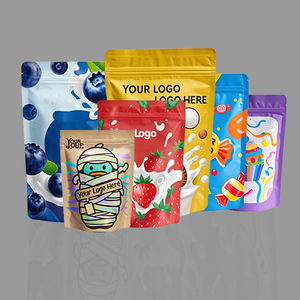
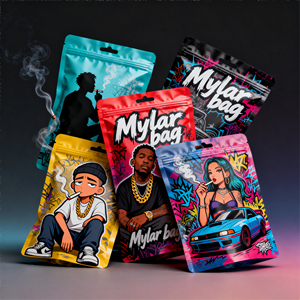
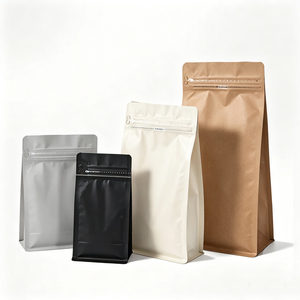
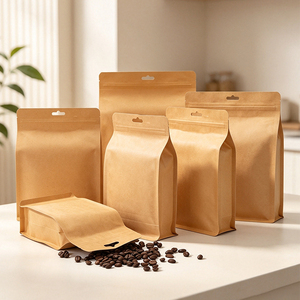
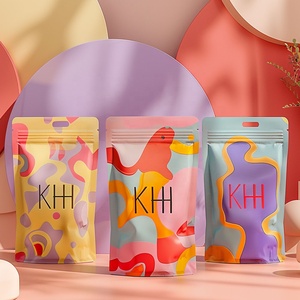
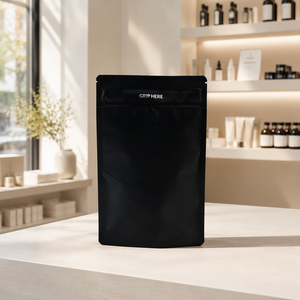
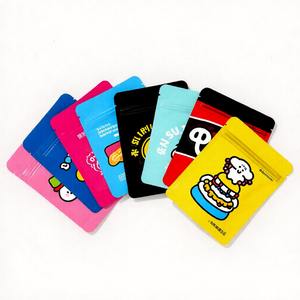
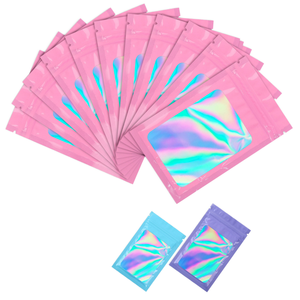
In today’s hyper-competitive global supply chain, flexible packaging is no longer merely a container—it is a critical extension of product shelf-life, brand equity, and regulatory compliance. As a premier OEM/ODM Zipper Pouches Supplier & Exporter, our manufacturing infrastructure is purpose-built to address complex multi-layer barrier requirements, rapid SKU diversification, and zero-defect quality parameters required by top-tier food, pharmaceutical, and consumer goods enterprises.
The transition from rigid containers to flexible zipper pouches yields measurable logistics optimization. By reducing packaging weight by up to 70% and volume prior to filling by up to 90%, international brands achieve substantial carbon footprint reductions across transoceanic freight and regional trucking routes. However, achieving high-barrier protection within thin-film structures demands rigorous material science expertise, advanced lamination control, and precision zipper extrusion alignment.
The functionality of custom zipper pouches relies on the synergy of laminated polymer layers. Each film layer serves a discrete physical function—ranging from printable exterior substrates to core oxygen/moisture barrier media and inner heat-sealable food-contact layers.
| Laminate Structure | Primary Applications | Key Barrier Properties | Environmental Attributes |
|---|---|---|---|
| PET / AL / LLDPE | Coffee, Spices, Medical, Cannabis | Ultra-high barrier (OTR < 0.1, MVTR < 0.05). Zero light transmission. | Maximum shelf-life extension; standard disposal stream. |
| Kraft Paper / VMPET / PE | Organic Foods, Dried Fruits, Nuts | High moisture & light barrier. Natural tactile paper aesthetics. | Reduces plastic usage by total laminate weight percentage. |
| PET / NY / LLDPE | Liquid Pouches, Frozen Food, Pet Food | Exceptional puncture & flex-crack resistance (Nylon reinforced). | Engineered for drop-test durability & heavy payloads. |
| Mono-PE (MDO-PE / PE) | Recyclable Dry Goods & Confectionery | Moderate-to-high barrier with EVOH co-extrusion integration. | 100% Recyclable (RIC Stream 4); aligns with EU EPR laws. |
Our engineering laboratory utilizes high-precision differential scanning calorimetry (DSC), gas chromatography for residual solvent measurement, and automated ASTM burst testing to verify that every production lot conforms to agreed technical specifications before export release.
Vertical integration across film extrusion, prepress cylinder engraving, solventless lamination, pouch conversion, and zipper application.
Fully certified production facilities compliant with ISO 9001:2015, BRCGS Packaging Materials Standard, FDA 21 CFR 177, and EU Regulation 10/2011. Seamless international customs clearing documentation.
Equipped with 10-color electronic shaft gravure presses and state-of-the-art HP Indigo digital presses. Match up to 98% of Pantone Matching System (PMS) colors with ultra-sharp dot resolution.
Patent-grade reclosure mechanisms: standard single-track zippers, tactile click-lock closures, child-resistant (CR) squeeze-and-slide locks, and pocket tear-tape zipper integrations.
Procurement directors and B2B buyers must navigate evolving legislative mandates and shifting end-consumer expectations. As an industry-leading manufacturer, we identify three macroeconomic trends defining the future of zipper pouch sourcing:
1. Transition to Mono-Material Recyclable Laminates: Traditional multi-material structures combining PET with PE or Aluminum Foil present mechanical recycling hurdles due to layer separation difficulties. Modern procurement mandates favor Mono-Material PE (Polyethylene) or PP (Polypropylene) structures enhanced with ultra-thin EVOH (Ethylene Vinyl Alcohol) co-extrusions. These achieve comparable oxygen and water vapor barrier performance while fitting directly into standard curbside recycling streams.
2. Adoption of Post-Consumer Recycled (PCR) Content: Global brands are actively implementing 30% to 50% PCR resins into non-food contact outer laminate layers. This transition reduces dependence on virgin fossil fuel feedstocks, helps brands satisfy Plastic Packaging Tax obligations in the UK and European Union, and strengthens corporate ESG benchmarks without compromising pouch seal strength.
3. On-Demand Digital Printing & Agile Inventory Management: The explosion of niche product lines, seasonal flavors, and localized packaging variations has made traditional gravure cylinder investments cost-prohibitive for short-run SKUs. Hybrid production models—where high-volume core lines utilize gravure printing while regional or seasonal SKUs deploy high-definition digital pouch printing—allow brand owners to optimize working capital and mitigate excess inventory write-offs.
Addressing key engineering, order logistics, and quality assurance queries for professional packaging buyers.
For gravure-printed custom pouches, our standard MOQ ranges between 10,000 to 20,000 units depending on pouch dimensions and material structure. For short-run digitally printed pouches, MOQs start as low as 1,000 units per SKU, allowing rapid market testing.
We execute inline 100% automated pressure testing, ASTM F88 seal strength testing, and ASTM F1929 dye penetration tests. Our seals are engineered to withstand differential internal pressures during air freight transportation without bursting.
We offer standard press-to-close zippers, front-zipper pocket closures, sound-tactile click zippers, powder-proof zippers designed for fine flours/powders, and certified child-resistant (CR) safety closures meeting US CPSC CFR Title 16 Part 1700 standards.
We require vector artwork files in Adobe Illustrator (.AI), PDF, or EPS format with all fonts converted to outlines. Colors should be assigned Pantone PMS codes or CMYK values. Our prepress team provides 3D digital proofs and dielines prior to cylinder engraving.
Yes. Every food-contact batch is supplied with a comprehensive Certificate of Analysis (CoA) and Declaration of Compliance (DoC) referencing FDA 21 CFR, EU 10/2011, and Heavy Metal CONEG standards.
Standard lead time for gravure cylinder production and pouch conversion is 15–20 business days post artwork approval. Digital printing orders ship within 7–10 days. Transit times vary from 5 days (Air Freight) to 20–35 days (Ocean Freight) depending on destination port.
Partner with an established OEM/ODM zipper pouch manufacturer. Our packaging engineers are available to review your barrier requirements, material structures, and supply chain schedules.
Contact Us