
Engineered with Precision Foil Accents, High-GSM Archival Paper, and Advanced Pressure-Sensitive Adhesives
The global stationery and planner market has experienced a profound shift toward premium personalization, analog mindfulness, and architectural modularity. As consumer demand elevates from basic note-taking to luxury journaling, scrapbooking, and functional planner customization, procurement managers, brand owners, and retail buyers are re-evaluating their supply chain partnerships. China stands at the epicenter of this manufacturing evolution, combining advanced pulp processing, low-relief hot-stamp foil techniques, precision cutting, and rigid quality control standards.
As a premier China Best Journal Refills Manufacturer & Exporter, our studio and manufacturing infrastructure bridge the gap between boutique aesthetic innovation and industrial scalability. Modern journal refill production is no longer just about binding blank paper; it involves mastering paper fiber density, ink absorption kinetics, foil registration accuracy, and modular binding compatibility (such as 6-ring binders, traveler's notebook inserts, discbound systems, and Smyth-sewn book blocks).
"Information Gain Insight: True premium paper engineering relies on low-porosity, acid-free woodfree or bamboo pulp formulas combined with micro-calendered surface finishes. This eliminates fountain pen ghosting and bleed-through while providing structural stability for foil accents and adhesive tapes."
When selecting a manufacturing partner for journal refills, international buyers must evaluate several technical dimensions that determine final product performance and brand loyalty. Below are the foundational parameters that define modern paper refill excellence:
Paper weight directly impacts page capacity, notebook spine thickness, and ink handling. Premium journal refills typically range from 80 GSM to 160 GSM depending on the intended application:
Refill versatility is heavily dependent on precision tooling. Our production facility maintains strict tolerances (±0.1mm) across various mounting standardizations:
| Specification Parameter | Standard OEM Standard | Premium Export Grade (Our Benchmark) | Target Buyer Advantage |
|---|---|---|---|
| Paper Composition | Recycled Mix Pulp | 100% FSC-Certified Virgin Woodfree / Bamboo Fiber | Zero yellowing, superior tactile feel, archival longevity |
| Acid-Free Rating | pH 6.5 – 7.0 | pH 7.5 – 8.5 (ISO 9706 Archival Standard) | Preserves written ink and artwork for 100+ years |
| Bleed-Through Resistance | Standard Ballpoint Only | Fountain Pen, Alcohol Marker & Wet Ink Resistant | Unlocks high-end artist and fountain pen enthusiast markets |
| Edge Finishing | Standard Guillotine Cut | Precision Flush Trimming / Laser Edge Gilding | Zero paper dust, crisp aesthetic profile, luxury feel |
| Foil Registration Tolerance | ±0.5 mm | ±0.1 mm Ultra-Low Relief Hot-Stamping | Clean alignment across complex grid patterns and borders |
To capture market share in competitive retail ecosystems, journal refills must incorporate functional and aesthetic embellishments. As a leader in paper craft technology, we seamlessly integrate high-end embellishments directly onto refill pages and accessories:
Combining functional layout grids with subtle metallic foil stamping (Light Gold, Rose Gold, Silver, Holographic, and Pearl) creates an elevated writing experience. Our proprietary low-relief hot stamping process ensures that the foiling sits perfectly flush with the paper surface. This prevents stacking ridges when multiple pages are bound together, allowing gel pens and pencils to glide effortlessly over non-foiled zones.
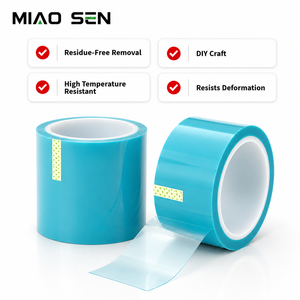
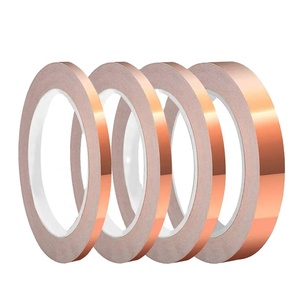
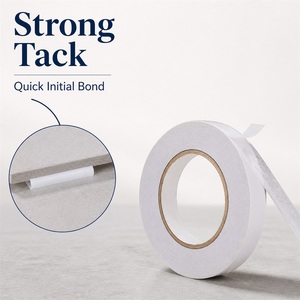
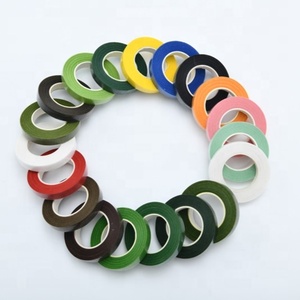
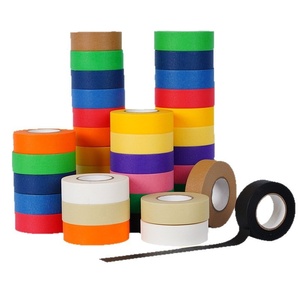
Modern journal users rely heavily on decorative tapes (PET film and Japanese rice paper Washi tapes). Our refills are designed to pair with synthetic translucent PET overlays, die-cut scallop borders, and pressure-sensitive decorative elements. By utilizing high-release backing paper and engineered surface coatings, users can apply, lift, and reposition sticky craft tapes without lifting the underlying paper fibers.
Efficiency-focused consumers require functional tear-off components. We manufacture micro-perforated journal inserts that tear smoothly without leaving ragged edges. These are widely implemented in habit tracking, task lists, weekly planning modules, and budget logs.
As the stationery supply chain evolves, buyers must align with manufacturers capable of navigating regulatory, environmental, and technological trends. Sourcing from a forward-thinking Chinese exporter provides strategic advantages in the following key areas:
Global consumer sentiment and strict environmental standards (such as the EU Deforestation Regulation) necessitate sustainable raw material sourcing. The future of journal refills centers on FSC-certified sustainable timber pulps, rapidly renewable bamboo fibers, and chlorine-free bleaching processes (TCF/ECF). Furthermore, non-toxic, water-based acrylic adhesives and soy-based printing inks are becoming standard mandates for OEM contracts.
The gap between digital note-taking and paper journaling is closing. Emerging procurement trends show increased demand for Smart Refill Inserts featuring micro-dot grid alignment markers, optical QR codes, or conductive ink boundaries designed for instant optical scanning via mobile archiving applications.
Mass-market generic refills are rapidly losing market share to hyper-specialized layouts: wellness and gratitude journals, financial budget planners, project management logs, and watercolor art journals. Retail brands require agile manufacturing partners capable of handling lower minimum order quantities (MOQs) for specialized short-run designs while maintaining bulk pricing efficiency for core replenishment items.
Delivering consistent quality across millions of paper refill units requires industrial automation coupled with artisan quality control. Our facility adheres to strict SOPs throughout the production lifecycle:
High-speed rotary sheeting machinery maintains exact squareness and dimensional consistency across every batch, ensuring zero skewing in binder assembly.
Paper samples undergo humidity and temperature stress testing to prevent paper curl, ink feathering, or adhesive degradation during ocean freight transit.
In addition to optical sensor inspection, dedicated QC specialists manually evaluate foil registration, edge gilding cleanlines, and hole punch alignment per production run.
Building a successful stationery collection requires more than transactional manufacturing—it demands a collaborative relationship with a factory that understands design aesthetics, supply chain logistics, and retail margin requirements. Here is how our enterprise capabilities support your business growth:
Key Procurement Insights for Importers, Wholesalers, and Brand Owners
Partner with China’s leading OEM/ODM paper craft manufacturer. Contact our engineering team today for instant sampling, custom pricing quotes, and detailed paper swatch catalogs.