
As a leading global enterprise supplier and exporter, our high-performance CE certified cellulose acetate sheets and custom industrial specialty rolls are manufactured under strict ISO 9001 and EU compliance protocols. Explore our standard inventory and specialty formulations below:
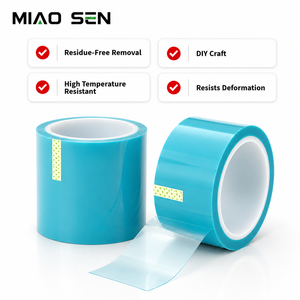
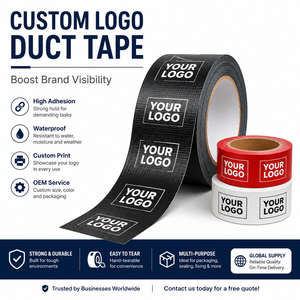
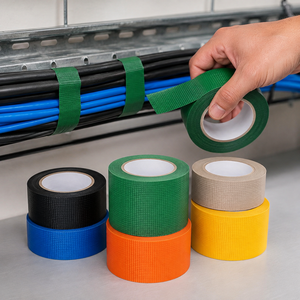
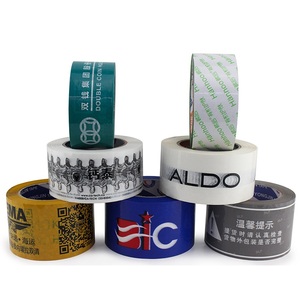
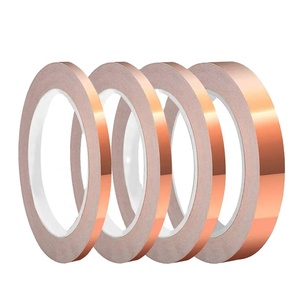
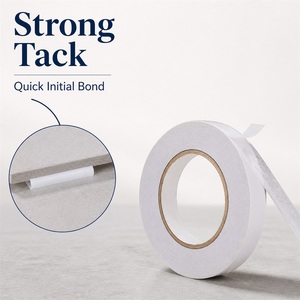
Cellulose acetate (CA) represents one of the earliest bio-derived thermoplastic polymer materials, bridging the gap between natural renewable polymers and high-performance synthetic materials. Synthesized through the esterification of purified cellulose derived from wood pulp or cotton linters with acetic anhydride in the presence of a sulfuric acid catalyst, cellulose acetate boasts unique physical, optical, and mechanical properties. Unlike petroleum-derived polyolefins (such as polyethylene or polypropylene), cellulose acetate features a rich cellulosic backbone enriched with acetyl functional groups, granting it inherent anti-static behavior, high moisture vapor permeability, and exceptional optical transparency exceeding 92% luminous transmittance.
When evaluating CE certified acetate sheets for global procurement, understanding the degree of substitution (DS) is fundamental to matching the substrate to industrial applications:
| Property Parameter | Cellulose Diacetate (CDA) | Cellulose Triacetate (CTA) | Engineering Impact on End Application |
|---|---|---|---|
| Degree of Substitution (DS) | 2.2 to 2.5 acetyl groups per glucose unit | 2.8 to 3.0 acetyl groups per glucose unit | Higher DS increases hydrophobicity and chemical resistance. |
| Glass Transition Temp (Tg) | 180°C – 200°C | 290°C – 300°C | CTA provides superior thermal stability for high-heat converting. |
| Solubility Profile | Soluble in Acetone, Ethyl Acetate | Soluble in Methylene Chloride / Dioxane | Determines solvent bonding and secondary surface coating recipes. |
| Moisture Absorption | 3.5% – 5.5% at standard ambient equilibrium | 1.5% – 2.5% at standard ambient equilibrium | CDA offers natural anti-fog performance; CTA offers dimensional stability. |
| Birefringence / Retardation | Low to Moderate (Adjustable via casting) | Ultra-Low Optical Birefringence | CTA is preferred for polarizing display films and precision optics. |
Unplasticized cellulose acetate is relatively brittle. To produce flexible sheets and cast rolls, plasticizers are incorporated into the polymeric matrix. Historically, low-molecular-weight phthalates (such as Diethyl Phthalate - DEP, and Dimethyl Phthalate - DMP) were ubiquitous. However, strict international chemical compliance frameworks—most notably EU REACH Annex XVII and CE Toy Safety Directive EN 71-3—have driven our research and development toward eco-friendly, non-phthalate plasticizers.
Our factory utilizes advanced bio-compatible plasticizer blends, including Triacetin (Glycerol Triacetate), Citrate Esters (such as Acetyl Tributyl Citrate - ATBC), and specialized polymeric sebacates. This technical optimization yields three distinct advantages:
Achieving genuine CE marking for cellulose acetate sheets requires rigorous verification across safety, health, and environmental protection standards. As a certified exporter, our manufacturing processes undergo third-party auditing to guarantee compliance with relevant European Directives.
Full testing for 19 migration elements (including lead, cadmium, organotin compounds, and hexavalent chromium). Safe for sensitive consumer goods, educational craft supplies, and optical frames.
Verified free of Substances of Very High Concern (SVHC) above the 0.1% w/w threshold. Full documentation provided including SDS (Safety Data Sheets) and Certificate of Analysis (CoA) per batch.
Evaluated under industrial composting conditions. Cellulose acetate naturally biodegrades into water, carbon dioxide, and biomass without toxic soil ecotoxicity residues.
The global plastics and optical materials procurement market is undergoing a structural transition toward decarbonization, circular economy mandates, and advanced functional coatings. Procurement directors and supply chain managers evaluating cellulose acetate suppliers must align with four macro trends:
Global brand owners in luxury eyewear, consumer electronics, and high-end packaging are setting strict Scope 3 emission reduction targets. Modern procurement requires verifiable bio-content percentages. Leading suppliers now offer cellulose acetate sheets with up to 68% bio-based carbon content certified under ISCC PLUS (International Sustainability and Carbon Certification) and USDA BioPreferred standards. Utilizing acetic anhydride derived from bio-ethanol pathways further drops the cradle-to-gate carbon footprint by up to 40% compared to fossil-fuel based PETG or PVC.
As flexible displays, OLED touch panels, and micro-optics advance, the demand for ultra-thin (0.05mm to 0.15mm) cellulose triacetate (CTA) films with optical isotropic performance is surging. CTA sheets function as primary protective layers for polyvinyl alcohol (PVA) polarizing elements in liquid crystal displays due to their uniform refractive index, zero stress-optical coefficient, and high light transmittance.
Unlike cross-linked thermosets, thermoplastic cellulose acetate offcuts generated during CNC milling, stamping, or die-cutting can be re-dissolved in solvent systems (such as acetone), filtered, and re-cast without degrading the molecular weight of the polymer. Industrial buyers are establishing closed-loop buyback agreements with suppliers to return manufacturing scrap for recycling, achieving zero-waste manufacturing goals.
Standard raw acetate sheets possess moderate scratch resistance. Future procurement favors factory-applied inline coatings:
Cellulose acetate sheets supplied by our enterprise factory serve diverse global manufacturing sectors. Below is a structural mapping of material grades to industry requirements:
Block-cast and extruded acetate sheets (1.5mm to 8.0mm thickness) in multi-layer tortoiseshell, crystal clear, and opaque color combinations. Easily polished, heat-adjustable, and comfortable on human skin.
High-clarity film rolls (0.075mm to 0.5mm) used for clear folding boxes, luxury window cartons, foil-stamped stationery covers, and archival index dividers. Accepts offset, screen, and flexographic inks.
Specialty zero-retardation triacetate (CTA) films acting as protective screen overlays, anti-glare filters, conductive substrate carriers, and dielectric insulation spacers in electrical assemblies.
Anti-fog coated clear diacetate sheets for surgical face shields, protective goggles, and cleanroom face barriers. Offers natural breathing moisture dissipation to prevent condensation build-up.
Backed by over a decade of continuous technological innovation and lean production control, our factory facility spans custom solvent-casting lines, block-slicing systems, and precision slit-rolling equipment. We provide global B2B clients with complete end-to-end custom manufacturing:
Continuous non-contact laser measurement across the entire web width ensures precise thickness tolerance within ±0.005mm.
Precision slitting and sheet cutting are performed inside climate-controlled ISO Class 7 cleanrooms to prevent dust contamination.
In-house spectrophotometer color matching ensures strict batch-to-batch color stability (Delta E < 0.5) against Pantone references.
Comprehensive technical answers to common questions raised by procurement engineers, QA leads, and international importers:
Answer: Our factory holds full CE compliance documentation. Our cellulose acetate sheets are independently tested and certified under EN 71-3 (Safety of Toys - Migration of Certain Elements), REACH Regulation (EC) No 1907/2006 (free of SVHCs), and RoHS 3 Directive 2015/863. Certificates of Conformity (CoC) and full laboratory test reports from accredited third-party labs (SGS / TÜV) accompany every export batch.
Answer: We supply thin films from 0.05mm (50 microns) to 0.5mm in continuous rolls up to 1600mm width, as well as thick block-cut sheets ranging from 1.0mm up to 10.0mm. Standard sheet sizes include 1400mm x 700mm, 1220mm x 610mm, and custom die-cut pieces pre-cut to your technical drawing specifications.
Answer: Cellulose acetate is derived from renewable bio-based wood pulp/cotton linters, making it inherently more eco-friendly and compostable under ISO 14855 standards compared to petroleum-derived PVC or PET. In terms of optical quality, acetate offers a warm, crystal-clear surface with minimal stress birefringence, superior anti-static properties (resisting static dust attraction), and natural moisture permeability that prevents fogging.
Answer: Yes. Our acetate sheet surface is specially treated for high surface tension (>42 dynes/cm), allowing exceptional ink adhesion for offset UV, screen printing, flexography, and gravure processes. They also accept hot-foil stamping, solvent laminating, and screen-printed adhesives cleanly without substrate warping.
Answer: We strictly use 100% phthalate-free, food-contact grade bio-plasticizers such as Triacetin, Acetyl Tributyl Citrate (ATBC), and modified eco-esters. This eliminates phthalate migration risks and ensures full compliance with international safety guidelines.
Answer: Cellulose diacetate sheets have a heat deflection temperature (HDT) of approximately 75°C to 95°C depending on plasticizer ratio, while triacetate (CTA) grades withstand continuous operating temperatures up to 130°C. Acetate sheets soften predictably under heat (120°C–150°C), allowing excellent deep-draw vacuum forming, bending, and embossing without cracking.
Answer: For standard clear inventory sheets, our MOQ starts at 500 kg or 1,000 square meters. For custom Pantone color matching or specialized surface hard-coatings, the standard MOQ is 2,000 kg. Typical production lead time is 12 to 18 business days from sample approval, with express air courier service available for prototyping.
Answer: Acetate sheets should be stored in their original moisture-barrier packaging in a climate-controlled warehouse at 18°C–24°C and 45%–55% relative humidity, away from direct sunlight and heat sources. When stored correctly, shelf life exceeds 24 months without loss of optical or mechanical performance.
Answer: Yes. We offer single-sided or double-sided hard-coating (up to 4H hardness) as well as precision lamination with acrylic, silicone, or rubber pressure-sensitive adhesive layers covered by protective release papers (PET or glassine release liners).
Answer: You can initiate a direct inquiry by clicking the "Get Catalog" button anywhere on this portal. Our technical engineering team will review your specifications (thickness, width, quantity, application) and dispatch sample kits within 48 hours along with an itemized CIF/FOB export quotation.
Building a resilient, sustainable supply chain demands an enterprise supplier that combines technical depth, consistent quality control, and responsive customer service. Here is how we deliver competitive advantage to our global clients:
Extensive chemical formulation library covering high-flexibility, anti-fog, optical grade, high-heat, and flame-retardant acetate grades customized to client specs.
Every master roll and pallet carries a unique QR code linked to raw material lot numbers, laser thickness logs, and spectral transmission test curves.
Export-grade seaworthy wooden case packaging, desiccant foil lining, and established sea freight, air cargo, and door-to-door DDP logistics networks.
In-house laboratory verification guarantees zero structural defects, bubble inclusions, or fisheyes. Uncompromising quality backed by total batch replacement insurance.
Contact our technical sales engineers today to receive detailed material test reports, custom sample swatch books, or an immediate wholesale quotation for CE certified acetate sheets.
Get Catalog