
New Wild Horses collection is here  /  Dollar Deco Days  /  Subscription extras  /  End of month clearance
0%

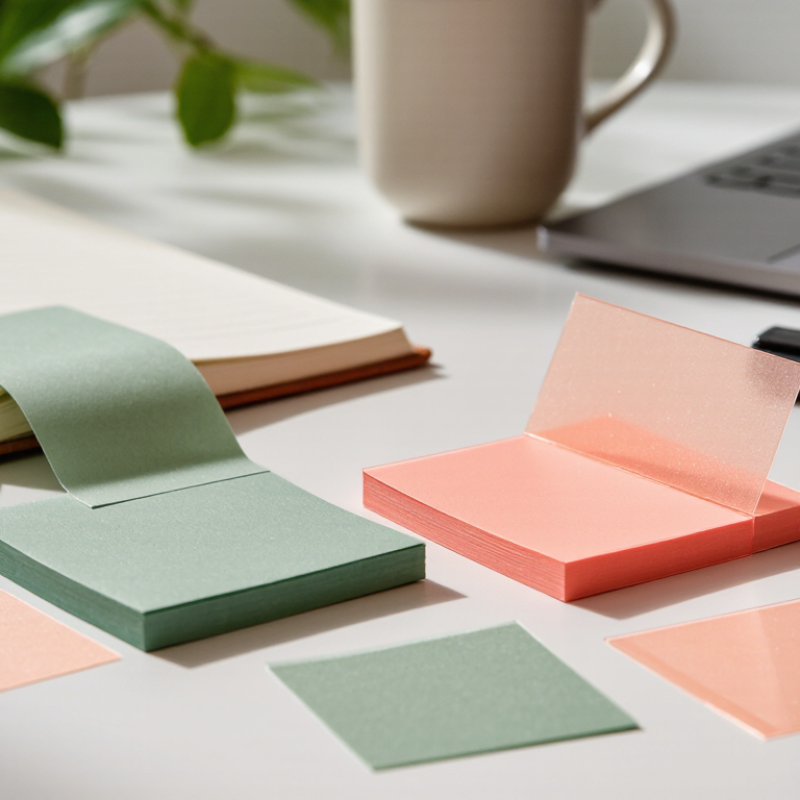
In 2026, sourcing Aesthetic Sticky Notes means balancing visual appeal with everyday performance. A muted sage pad or translucent peach sheet may photograph beautifully, but buyers also need clean writing, dependable adhesion, and paper that resists ink show-through. The broader stationery market offers useful context. Grand View Research’s Stationery Products Market Size, Share & Trends Analysis Report estimated the global market at USD 147.6 billion in 2022 and projected a 5.1% compound annual growth rate from 2023 to 2030. That figure covers stationery broadly, not sticky notes alone. It signals market scale, not guaranteed demand for a particular design.

Good sourcing starts with evidence you can inspect. Request physical samples, then test pencil, gel ink, and highlighter on the same sheet. Check whether notes lift cleanly after a day on a notebook cover or desk. Compare sheet thickness, color consistency, edge cutting, and adhesive placement across multiple pads. Small flaws show quickly. Ask suppliers for material specifications, production lead times, minimum order quantities, and quality-control procedures. Where relevant, request documentation supporting environmental or material claims; do not rely on attractive packaging alone.

A useful supplier should answer clearly and provide repeatable samples. Still, one round of testing is not proof of long-term consistency. Record results, confirm approved colors in writing, and arrange a pre-shipment inspection for larger orders. This guide explains how to evaluate suppliers, compare costs, and source designs that look considered while working reliably.
How to Source Aesthetic Sticky Notes in 2026

Define the Style, Format, and Quality Requirements

When sourcing aesthetic sticky notes in 2026, turn “pretty” into a usable visual brief. Choose two or three reference colors, such as warm cream, muted sage, and dusty rose. Specify whether the look is minimal, playful, vintage, or hand-drawn. Name the intended setting: a study desk, planner, or gift set. This helps suppliers assess the design consistently. Small details matter. Decide whether illustrations belong in a corner, form a border, or cover the page.

Define the format before requesting quotes. Record sheet dimensions, note count per pad, adhesive-strip width, corner shape, and whether sheets must lift without curling. Ask about paper weight and finish. Smooth, lightly coated paper may suit gel pens, while uncoated paper often works better with pencil. Test both if writing comfort matters. A photo cannot confirm shade or adhesive strength. Request a physical sample under ordinary indoor light.

Set measurable quality checks: consistent color, straight cuts, secure binding, readable print, and adhesive that holds on a clean page without tearing it during removal. Specify acceptable variation, packaging, and inspection methods in writing. Compare samples using the same pen and notebook. A polished mock-up can still fail at a basic task: the ink smudges. That is easy to miss. Leave room to revise the brief after testing; preferences can change once the notes reach a real desk.

How to Source Aesthetic Sticky Notes in 2026

Illustrative buyer score allocation for defining style, format, and quality requirements.

Use this illustrative 100-point weighting to compare suppliers: prioritize legible printing and consistent paper, verify that adhesive holds securely yet removes cleanly, and confirm dimensions, color consistency, and material documentation with samples before placing an order. These percentages are a suggested evaluation framework, not market survey results.

Research 2026 Trends and Potential Supplier Regions

How to Source Aesthetic Sticky Notes in 2026

Aesthetic sticky notes in 2026 favor tactile details, calm colors, and useful layouts. Muted greens, warm neutrals, soft grids, and botanical line art suit study desks and home offices. Recycled or lightly textured papers may appeal to buyers, but test them with common pens. Some surfaces look lovely and still smudge.

Supplier regions offer different strengths, not guarantees. China has broad stationery manufacturing capacity and can support varied formats and finishes. South Korea and Japan are worth exploring for refined paper goods and detail-focused design. Vietnam may suit buyers seeking additional manufacturing options, while European suppliers can be practical for regional production and shorter shipping routes. Capabilities vary by factory, so compare actual samples, not country reputations. Ask about paper weight, adhesive hold, print consistency, packaging, and minimum order quantities. A neat sample can hide uneven glue or color shifts in a full production run.

Tips: Request samples from more than one production batch, then test adhesion on painted walls, notebooks, and glass. Record peel strength, residue, and pen dry time. Confirm lead times and packaging details in writing. Leave room for rework; schedules can slip, and forecasts are rarely perfect.

Compare Manufacturers, Wholesalers, and Customization Options

Aesthetic sticky notes are easy to admire in photos and harder to judge in person. Manufacturers suit larger orders and detailed control over paper, adhesive, size, and printing. Ask for physical samples before approving a design. Check whether pale colors stay clear on the actual paper, and whether notes lift cleanly after a day on a desk. Small details matter.

Wholesalers often offer ready-made designs with lower minimum quantities and quicker dispatch. They can be useful for testing several styles, but custom colors or packaging may be limited. Compare quotes by checking what each includes: sample fees, packaging, shipping, and production time. A low unit price can hide extra costs. I once focused too much on the printed finish and not enough on the adhesive; that was a useful, if slightly annoying, lesson.

Tips: Request a sample set, not just one sheet. Write on it with a ballpoint pen and a marker, then test it on paper, glass, and a laptop cover. For customization, send clear artwork files and confirm the proof, paper shade, and finished dimensions in writing. Leave time for one revision. One detail may still surprise you.

Evaluate Samples, Materials, Printing, and Sustainability

Request samples before approving a large order. Test each pad on the paper people will actually use. Does the adhesive hold overnight, then lift without tearing a page? Check whether the top sheet curls in a warm room. Small details matter.

Compare paper weight, opacity, and texture by touch. Thin sheets may show ink through the back, while heavily coated paper can feel slick and resist some pens. Write with a ballpoint, gel pen, and highlighter. Check for smearing after ten seconds. Ask how the printer handles pale colors, fine lines, and edge-to-edge artwork; subtle designs can lose detail when printed at small sizes. A sample may look lovely under studio lights. Check it in daylight, too.

Ask suppliers for clear material specifications and evidence behind sustainability claims. Recycled content, responsibly sourced fiber, and reduced packaging can all matter, but vague labels do not tell the whole story. Find out whether the paper, adhesive, and packaging can be processed through local recycling systems. Not always. I would also compare waste from trimming and sample production, though suppliers may not track it consistently. Record the answers beside your sample notes, including flaws. A crooked cut is easy to miss once the design wins you over.

Verify Pricing, Lead Times, and Minimum Order Quantities

When sourcing aesthetic sticky notes in 2026, compare complete quotes, not just the unit price. Ask suppliers to separate paper, adhesive, printing, packaging, and setup charges. A low price may apply only to one paper weight or a larger order tier. Request pricing at several quantities, such as 500, 1,000, and 3,000 pads. Check whether each design, size, or color has its own minimum order quantity. Small detail, big difference.

Lead times need the same careful review. Ask for sample production, proof approval, bulk production, and shipping estimates as separate dates. A quoted “20 days” may mean factory time only. Confirm when the clock starts and whether weekends or public holidays are included. Request a physical sample to check color, page alignment, adhesive strength, and how cleanly sheets lift. A screen proof can look convincing. It can still mislead.

Keep the supplier’s written quote beside the final order confirmation. Verify the currency, quote expiration date, payment schedule, packaging specifications, and freight assumptions. Ask what happens if production runs late or the approved sample differs from the finished batch. Build in a small schedule buffer, especially before a seasonal launch. Honestly, spreadsheets make comparisons easier, but they cannot tell you whether a pale ink shade feels too faint on textured paper. That judgment takes a real sample and a second look.

FAQS

How do manufacturers differ from wholesalers?

Manufacturers often suit larger orders and offer more control over paper, adhesive, size, and printing. Wholesalers usually have ready-made designs, lower minimum quantities, and quicker dispatch. Custom options may be limited.

What should I test on a sample set?

Write with a ballpoint pen, gel pen, marker, and highlighter. Check smearing after ten seconds, ink showing through, and color in daylight. Test the notes on paper, glass, and a laptop cover.

How can I check whether the adhesive works well?

Leave a note on a page overnight, then lift it. Check whether it holds firmly without tearing the paper. One sheet isn't enough.

Which paper details matter most?

Compare paper weight, opacity, and texture by touch. Thin paper may show ink through the back. Coated paper can feel slick and resist some pens.

How should I compare supplier prices?

Compare complete quotes, including setup, printing, packaging, samples, and shipping. Request prices for several quantities, such as 500, 1,000, and 3,000 pads. A low unit price can hide extra costs.

What lead-time details should I confirm?

Ask for separate dates for samples, proof approval, production, and shipping. Confirm when the quoted timeline starts and whether weekends or holidays count. Build in a small buffer.

What should I confirm before approving custom artwork?

Send clear artwork files and confirm the proof, paper shade, and finished dimensions in writing. Leave time for one revision. A screen proof can still mislead.

How can I assess sustainability claims?

Ask for material specifications and evidence for claims about recycled content or responsibly sourced fiber. Check whether the paper, adhesive, and packaging suit local recycling systems. Not always. Record unclear answers beside your sample notes.

Conclusion

Sourcing Aesthetic Sticky Notes in 2026 starts with a clear brief. Define the visual style, size, shape, paper feel, adhesive strength, and quality standards you need before contacting suppliers. Research current design preferences and potential manufacturing regions, then compare manufacturers and wholesalers based on their capabilities, communication, and customization options. A detailed brief makes it easier to assess whether a supplier can deliver the look and function you want.

Request samples before placing a larger order. Check paper and adhesive quality, color accuracy, print clarity, and packaging, and consider materials and production practices that support your sustainability goals. Finally, compare full pricing, including customization and shipping, alongside production lead times and minimum order quantities. Reviewing these details together helps you choose a supplier that fits your budget, timeline, and product requirements.

Isla

Isla

Isla is a dedicated marketing professional with a strong understanding of product strategy, customer needs, and evolving market trends. As a key contributor to the company’s digital communications, Isla regularly writes and updates expert blog articles that provide practical insights, explain......