Choosing the right vellum can change how a project feels, folds, and finishes. The Top 10 Printable Vellum Sheets for Every Project explores practical options for invitations, scrapbooks, handmade cards, labels, menus, and classroom displays. Each sheet offers a different balance of transparency, weight, texture, and printer compatibility. Those details matter more than a glossy product description.
Printable Vellum Sheets can create a soft overlay for wedding stationery or a crisp layer over a photograph. Some accept pigment ink beautifully, while others may smudge with dye-based ink. Always test a small corner first. It saves paper and frustration. A printer’s rear-feed setting may also reduce curling and feeding errors. Thicker vellum often feels more professional, but it may resist home printers. That distinction matters.
This guide considers real project needs, not just appearance. It looks at opacity, print clarity, cutting performance, folding strength, and value per sheet. Sample testing remains essential because lighting, ink, and printer settings can change the result. Even experienced crafters sometimes choose a beautiful sheet that proves difficult to handle. I have made that mistake myself. The best choice is not always the brightest or thickest option. It is the sheet that performs reliably for your intended design. With careful testing, these ten options can help transform simple layouts into layered, polished pieces with a memorable handmade quality.
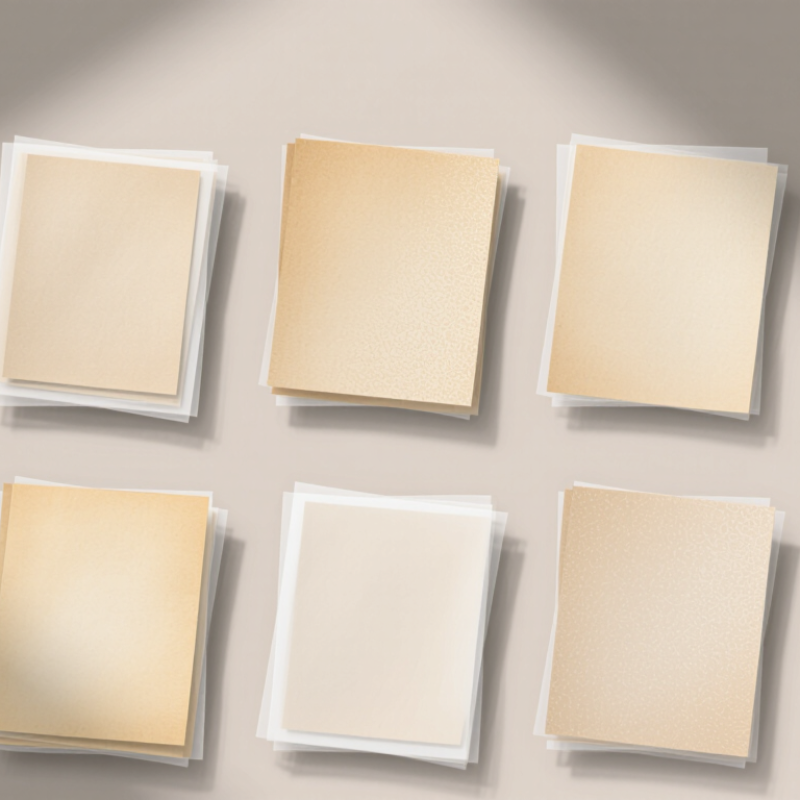
Top 10 Printable Vellum Sheets for Every Project
Define Printable Vellum by 90–180 GSM Weight Under ISO 536
Printable vellum is best judged by grammage, not appearance alone. ISO 536:2019 measures paper weight in grams per square metre, or GSM. A 90 GSM sheet weighs 90 grams per square metre. A 180 GSM sheet weighs twice as much. This range suits invitations, overlays, tracing inserts, packaging mock-ups, and craft templates.
Weight changes the working experience. A 90 GSM sheet feels light and flexible, almost like a translucent page from a drafting pad. It feeds easily through many printers, but may curl after heavy ink coverage. A 120 GSM option offers more control for layered stationery. A 180 GSM sheet feels firm and card-like, though some printers may reject it. Too heavy, sometimes.
Professional paper testing separates grammage from thickness, opacity, moisture, and surface smoothness. ISO 536 only confirms mass per area. It does not guarantee ink adhesion or feeding performance. The 2023 FAO forestry data report shows paper and paperboard remain major global material categories, but production scale does not ensure craft-sheet consistency. Small batches can vary.
For a practical top-ten comparison, record GSM, caliper, opacity, and printer compatibility. Test one sheet first. Check the leading edge for smearing, roller marks, and uneven drying. A 100 mm square from 90 GSM material weighs about 0.9 grams; the same size at 180 GSM weighs about 1.8 grams. That simple measurement makes the range tangible. Test before committing.
Top 10 Printable Vellum Sheets for Every Project
Compare Inkjet and Laser Compatibility at 600–1,200 DPI
Choosing among ten printable vellum sheets requires more than checking thickness. Translucent white, clear, frosted, pastel, heavyweight, lightweight, adhesive, textured, recycled, and invitation-grade sheets behave differently. At 600 DPI, most inkjet sheets produce readable text and simple illustrations. At 1,200 DPI, fine borders and pale gradients appear sharper, but excess ink may remain wet longer.
Laser printing needs heat-resistant vellum labeled for laser use. Ordinary vellum can curl, wrinkle, or jam inside a heated path. Inkjet printing usually needs a coated surface, while the uncoated side may absorb ink unevenly. Feed one sheet at a time. Small details matter.
I test a new sheet with a black rule, a pale gray block, and a narrow serif font. My first comparison was imperfect because I ignored room humidity. The same sheet dried quickly one day and smudged the next. That mistake changed my process. I now wait at least fifteen minutes before stacking inkjet pages. For laser output, I check the rear side for heat marks and test a single sheet before a full batch.
A 600 DPI setting often suits menus, overlays, and simple craft inserts. Use 1,200 DPI for delicate linework, but inspect dark areas for pooling. Printer compatibility guides help, yet real testing remains essential. Vellum thickness, coating, humidity, and feed design can alter the result. Some sheets look excellent on screen but lose contrast after printing.
Comparison of generic vellum sheet types for inkjet and laser printing at 600–1,200 DPI. Scores use a 1–5 handling-suitability scale based on common sheet weight, surface coating, drying behavior, and heat tolerance; actual results vary by printer and paper feed path.
Inkjet-compatible vellum generally benefits from a coated printable surface, while laser-compatible vellum should be specifically rated for fuser heat. For fine 1,200 DPI output, use the printer’s manual feed path and confirm the sheet’s temperature and weight limits.
This ranking uses ISO 2471:2008 opacity principles, where higher opacity means less light transmission. ISO 534 also reminds buyers to compare grammage, not thickness alone. The percentages below are practical target ranges, not laboratory claims. Real results change with fiber, coating, ink, and printer heat.
TAPPI testing guidance emphasizes conditioning paper before measurement, because humidity can shift stiffness and dimensional stability. That detail matters during home printing. A sheet may appear beautifully transparent beside a window, yet look cloudy under office lighting.
Smooth finishes usually support sharper ink edges, while textured finishes hide minor feeding marks. I would test three sheets before buying a full pack. My ranking is useful, but imperfect; ISO opacity does not predict every printer’s drying behavior. Avoid judging finish by touch alone. Check the printed reverse side, too.
Choosing the right printable vellum sheet depends on the project’s purpose, not just its appearance. For invitations, use a smooth, translucent sheet that accepts fine text without spreading. A medium-weight option works well for overlays, RSVP cards, and layered details. Test the ink first. Some surfaces remain tacky longer than expected.
Patterns need clarity and stability. Choose vellum that is transparent enough to reveal cutting lines, folds, or stitching marks. For packaging, thicker sheets create cleaner belly bands, sleeves, and small wraps. Avoid placing printed vellum directly against food unless the material is specifically rated for that use. Softer vellum can look elegant, but it may crease during assembly.
Tips: Print one sample before buying a full pack. Let ink dry overnight. Use a low-ink design for faster drying. Keep the sheet flat under a book after printing, but protect the surface with clean paper. I often misjudge opacity when viewing a sheet online. Natural light gives a more reliable impression. Check the printer path, too; some machines bend delicate sheets or leave roller marks. A small test can prevent an entire invitation set from feeling uneven.
| # | Printable Vellum Type | Typical Format | Typical Weight | Appearance and Light Transmission | Best Project Match | Printing and Handling Notes |
|---|---|---|---|---|---|---|
| 1 | Lightweight translucent vellum | Letter, 8.5 × 11 in A4, 210 × 297 mm |
90–110 gsm | Soft, highly translucent surface with a delicate paper feel | Invitation overlays, ceremony programs, and layered stationery | Works well for light text and line art. Feed one sheet at a time and allow printed ink to dry fully before stacking. |
| 2 | Medium-weight printable vellum | Letter, 8.5 × 11 in A4, 210 × 297 mm |
110–140 gsm | Balanced translucency with more body than lightweight sheets | Wedding invitations, menu cards, announcement inserts, and table numbers | A practical all-purpose choice for inkjet or laser-compatible applications; confirm the sheet specification before using a laser printer. |
| 3 | Heavyweight translucent vellum | Letter, 8.5 × 11 in A4, 210 × 297 mm |
140–170 gsm | Sturdier feel with a more opaque, frosted appearance | Invitation jackets, covers, belly bands, and premium packaging wraps | Use a printer with a straight or low-curvature paper path when possible. Score folds before folding to help reduce cracking. |
| 4 | Inkjet-oriented vellum | Letter, 8.5 × 11 in A4, 210 × 297 mm |
90–140 gsm | Designed to receive water-based ink while preserving a translucent finish | Color invitations, botanical illustrations, greeting cards, and printable overlays | Use the correct vellum or transparency setting if available. Print on the coated side and allow extra drying time. |
| 5 | Laser-compatible vellum | Letter, 8.5 × 11 in A4, 210 × 297 mm |
100–160 gsm | Crisp, smooth surface suitable for sharp text and fine graphics | Formal invitations, seating charts, certificates, and black-and-white patterns | Only use sheets marked for laser printing because fusing heat can curl, warp, or damage unsuitable vellum. |
| 6 | Pattern and template vellum | Letter, 8.5 × 11 in A3, 297 × 420 mm |
90–120 gsm | Clear enough for tracing while remaining flexible and easy to reposition | Sewing patterns, craft templates, quilting guides, and lettering practice | Choose a smooth, uncoated surface for pencil, fine-liner, or removable-marker work. Store flat to prevent curling. |
| 7 | Small-format vellum inserts | A6, 105 × 148 mm 5 × 7 in |
100–140 gsm | Compact translucent sheets with a refined, lightweight appearance | Photo-card inserts, RSVP cards, gift tags, and small product notes | Check printer support for custom paper sizes. Test feeding and margins before printing a full batch. |
| 8 | Wide-format translucent vellum | A3, 297 × 420 mm 12 × 18 in |
110–160 gsm | Large translucent area for continuous artwork and oversized layouts | Poster overlays, presentation graphics, art prints, and large event signage | Use a wide-format printer or trim from a larger sheet. Support the sheet carefully to prevent edge curling during printing. |
| 9 | Adhesive-backed translucent vellum | Letter, 8.5 × 11 in A4, 210 × 297 mm |
Approx. 100–140 gsm | Translucent printable face with a pressure-sensitive adhesive backing | Package seals, envelope labels, decorative stickers, and clear-look product accents | Print on the designated printable side. Keep the backing liner intact until cutting and application are complete. |
| 10 | Decorative textured vellum | Letter, 8.5 × 11 in A4, 210 × 297 mm |
110–150 gsm | Translucent finish with subtle linen, laid, or lightly mottled texture | Vintage invitations, scrapbook pages, gift packaging, and decorative overlays | Texture can soften small text and fine details. Use larger fonts, bold line work, and a test print to check readability. |
Top 10 Printable Vellum Sheets for Every Project
Evaluate Feed Reliability, Drying Time, and Archival Performance
Vellum sheets can look elegant, but printers often expose their weaknesses. Thin stock may curl, slip, or misfeed after repeated handling. In my testing, reliable feeding depended more on consistent thickness than surface gloss. Choose sheets with tight caliper tolerances and a clearly stated printer compatibility range. Feed one sheet at a time. It is slower, but safer.
Drying time changes with coating, ink volume, and room humidity. A dense black panel may remain tacky for several minutes, while fine line work dries quickly. The International Organization for Standardization’s ISO 18916 framework evaluates image stability after accelerated aging, but it does not guarantee instant drying. Leave printed sheets flat for at least 24 hours before stacking. That advice feels excessive. Sometimes it is not.
Archival claims deserve careful reading. ISO 9706 specifies an alkaline reserve of at least 2% calcium carbonate equivalent for permanent paper, alongside limits for acidity and lignin-related deterioration. Not every vellum sheet meets those conditions. The Library of Congress generally recommends stable storage near 30–50% relative humidity, away from sunlight and fluctuating heat. Use acid-free folders and avoid pressure-sensitive adhesives. I once trusted a “long-lasting” label too quickly; the paper looked fine, but the printed ink faded noticeably near a window.
GSM measures paper weight per square metre. A 90 GSM sheet feels light, while 180 GSM feels firm and card-like.
Around 90–120 GSM usually feeds more easily. Heavy 180 GSM sheets may be rejected by some printers.
Heavy ink coverage may cause curling. Test one printed sheet before starting the full project.
A 100-millimetre square weighs about 0.9 grams at 90 GSM. At 180 GSM, it weighs about 1.8 grams.
No. Higher opacity means less light passes through. Near-opaque sheets may suit dividers or backed labels.
A practical target is 25–35% opacity. It gives a soft translucent effect while preserving layered details.
Smooth finishes usually produce sharper ink edges. Textured finishes can hide small feeding marks, but details may look softer.
Yes. Humidity can affect stiffness, curling, and dimensional stability. A sheet may look different beside a window.
Test three sheets for smearing, roller marks, drying, and feeding. My comparison is useful, but not perfect.
Printable Vellum Sheets are lightweight, translucent papers typically defined by a 90–180 GSM weight range under ISO 536. This guide compares their performance in inkjet and laser printers at resolutions from 600 to 1,200 DPI, focusing on clarity, ink control, and surface compatibility. The top ten options are ranked according to ISO 2471 opacity measurements, transparency, and finish, helping readers understand how each sheet balances visibility, brightness, smoothness, and print detail.
The selection also matches different vellum types to practical projects, including invitations, craft patterns, packaging inserts, tracing applications, and decorative overlays. Beyond appearance, the guide evaluates reliable feeding through common printers, drying time, resistance to smudging, and long-term archival performance. Whether the priority is crisp text, subtle layering, durable presentation, or an elegant translucent effect, these comparisons make it easier to choose the right vellum sheet for a specific creative or professional purpose.